“I really didn’t have your typical upbringing. I mean, I did at first; but then the world ended.”
Monsters are making a comeback in a big way in movies as of late. With blockbuster cinema being dominated by superheroes (who also face their fair share of monsters), and with the advances in CGI that cinema has made over the last 10 – 15 years, it’s getting a lot easier to create photorealistic monstrosities without having to rely on puppets and animatronics, and Love And Monsters takes advantage of this for a different kind of monster movie.
Joel Dawson (Dylan O’Brien) and Boy survey the road ahead in Love And Monsters
The people of Earth successfully destroy an asteroid that threatened to wipe out all life; but the chemical fallout from the defense causes all cold-blooded life to mutate and eradicate the majority of human life. Seven years after the initial event, Joel Dawson (Dylan O’Brien) plans to leave his colony bunker to find his old girlfriend Aimee (Jessica Henwick); risking his life in a post-apocalyptic, monster-filled hellscape to be reunited with his love.
Netflix is working hard to bring fun, popcorn friendly films to the masses, and Love And Monsters fits this oeuvre nicely. Dylan O’Brien does the majority of the work for this film, serving both as the narrator and often as the only human character on screen (accompanied, for the most part, by the very adorable companion character of Boy, who is a dog and a very good boy); and he has the screen presence and likeability required to hold his own during those sections. He also has good chemistry and an accessible, almost nerdy charm when interacting when his castmates; Joel’s relationship with the rest of his colony is effectively demonstrated both through the narration and the interactions we see during the opening segment, and his eventual chemistry with Clyde and Minnow (Michael Rooker and Ariana Greenblatt) when he encounters them out in the wild do a lot of work to increase Joel’s likeability as a character, as Clyde and Minnow effectively analyse and develop his character’s weaknesses without undermining his likeability. It’s a very effective way of developing the character, and O’Brien carries this off well. When those segments receive callbacks later on, they’re layered in well, and O’Brien balances the action requirements with the character presence to ensure they’re called back effectively without being cheesy or awkward.
Joel (Dylan O’Brien) and Minnow (Ariana Greenblatt) share an emotional moment in Love And Monsters
Michael Rooker was an excellent addition to this cast, and Clyde blends the ruthless survivalist of Merle from The Walking Dead with the paternal instincts of Yondu from Guardians Of The Galaxy Vol. II, and his relationship with Minnow has exactly the amount of charm, tough love and sarcasm that you would expect from a Michael Rooker role in a post-apocalyptic landscape. Ariana Greenblatt impresses here, and while it isn’t her role in a major blockbuster film (she plays the young Gamora in Avengers: Infinity War), it’s the first chance many will get to see her in a more in-depth role outside of Stuck In The Middle, and she puts in an impressive performance here. Jessica Henwick gets her opportunity to shine as well, and while her appearances are more brief, she brings the same cool, calm attitude that we have seen from her in her previous roles, particularly Colleen Wing in Iron Fist.
Joel’s interactions with these characters covers the Love part of the title, but he also interacts with the other aspect – Monsters. A lot of effort has gone into the creature design, and the “cold-blooded creatures” hook is a great gateway into a focused design strategy. The majority of the monsters are effectively reminiscent of the creature they have mutated from; and those which are strikingly different from fauna which we are familiar with are extremely effective nightmare beasts. Joel’s battles with these creatures are impressive, and the CGI is fantastic, especially for a direct-to-streaming film of this kind. The monsters are staged well for the narrative too; with the action sequences containing enough drama, tension and humour to keep things fresh, even during the moments when things start to get gross. There are subtle nods to classic monster horrors franchises such as Alien and Jaws, and it’s clear that this is a film that was written and made by a team who love monster movies.
A mutated centipede rises from the ground to attack in Love And Monsters
Love And Monsters is, perhaps, a love letter in itself to those films – though I may just be projecting intent with that thought. What I do know is that if you enjoy a laid back, fun and silly yet still tense and appropriately gross film about love and the monster apocalypse, then Love And Monsters may be the right movie to while away a couple of hours with.
Dave McGuckin is a theatre graduate, bar manager, former comedian and eternal film lover from Northern Ireland, now living in Canada. He began writing film reviews in 2016 for The Grade and then Great Central, both based in Leicester, England.
This site will collate these reviews, but also provides a platform for new reviews and essays on cinema, television, videogaming and (possibly) more
If you enjoy what you read, please consider sharing on social media, or leaving a small donation towards webhosting and content creation costs on Ko-Fi at http://www.ko-fi.com/davewritesreviews.
Check out the official social media links for Dave Writes Reviews below:
“I’m only telling you this because I need you to be mentally prepared for what’s gonna happen.”
Ever since Alfonso Cuaron’s Gravity debuted in 2013, the science-fiction film genre has seen a significant increase in dramatic output, with films like The Martian and Interstellar taking the baton with much gusto and enthusiasm. These tense, dramatic, character-driven films have tapped into a new vein of dramatic filmmaking, relying on similar story and filming techniques that television dramas have been utilising for box or bottle episodes of their series (where all of the action is confined to one space for a full episode) to deliver new stories in the depths of space. Stowaway is the latest entry in this new vein of sci-fi drama.
The three person crew of a two year mission to Mars aboard the MTS-42, on route to conduct experiments that will help transform Mars into a habitable planet for Earth, discover that launch support engineer Michael Adams (Shamier Anderson) has accidentally stowed away on board after an accident before launch which rendered him unconscious. His accident also damages the ship’s life support unit, resulting in the ship only having enough oxygen supply to keep 3 people alive for the duration of the journey – and begins a frantic attempt to find a solution that won’t result in anybody’s death.
Shamier Anderson, from left, Anna Kendrick, Daniel Dae Kim and Toni Collette workshop survival ideas in “Stowaway.” (Netflix via AP)
Director Joe Penna has assembled an incredible cast for this piece; alongside Shamier Anderson are Toni Collette as ship’s captain Marina Barnett, Daniel Dae Kim as biologist David Kim, and Anna Kendrick as ship’s doctor and researcher Zoe Levenson. Casting is key for a film like this; as while there is certainly opportunity to impress with the set designs and the effects required to realistically create the beautiful void of space; the performances are what drive a film of this nature, and they do it incredibly well here. The story is a high-risk, high-stress scenario from start to finish; with the crew delving to the depths of their knowledge both of their chosen fields and of the workings of their ship to try and identify a way to keep everyone on board alive. Toni Collette takes the chance to demonstrate again why she is an Academy award winner, bringing a stoic determination and level-headedness to Captain Barnett that demonstrates her experience and skill as a captain, but also allows us to see the frustration involved in taking literal life or death decisions in an environment that reduces support in that decision making. Barnett tries to keep her anger and frustration to herself, mostly letting it manifest when she is alone, and gathering herself with a cooler head when addressing the rest of the crew; which cannot be said for David Kim.
Daniel Dae Kim also does great work portraying this deeply conflicted character; a biologist who has dedicated years of his life preparing edible flora that can be grown on Mars, who is repeatedly asked to put that research at risk to take measures that will keep the whole crew alive. His frustration is understandable, but manifests in some quite alarming behaviour, and Kim brings a heavyweight portrayal that keeps the audience connected to him emotionally, even at his most outright villainous points, by balancing his actions against the emotional turmoil that results in those aforementioned actions and provides an insight into the conflict between completing his life’s work, and safeguarding the life of a man who should not be there. He brings us through a character redemption arc in a way that does not truly redeem his actions, but does allow us to feel the weight of the guilt for what he has done before and generate an emotional response unlike anything I have felt from a film in a long time.
Michael (Shamier Anderson) contemplates his predicament in “Stowaway”. (Netflix via AP)
Shamier Anderson shines bright as the titular stowaway, a man who has a lot less time to process a great many more emotions than his unexpected crewmates. His emotional response when he discovers he’s on board the ship after launch is frantic; an immediate blast of panic and fear that is incredibly effective in a naturalistic display of a terrified train of thought. As we learn more about Michael, his story becomes even more difficult, and Anderson brings a quiet resolve to Michael that remains consistent throughout the narrative, underlying his actions as he adapts to his circumstances; be he assisting David Kim with his research, to desperately trying to learn the skills needed to help the crew find a solution that will keep them all alive. Even at the times of the greatest desperation, Michael never really turns to anger; and it’s a credit both to Penna’s direction and Anderson’s performance that we see more sadness and grief from a man whose life is on the line, especially given the actions of his crewmates…
Last, but certainly not least, we have Anna Kendrick as Zoe Levenson. Levenson is the most brazen about the crew needing to find a solution to keeping all four travellers alive for the duration of the journey, something which fits with her medical training; and Kendrick brings a lot of passion and anger out of Levenson for that fight. The transformation from the joking, fun-loving researcher who we meet at the beginning of the film to the furious and desperate doctor who takes control as the search for a solution becomes more desperate is incredible, and is almost reflective of Kendrick’s own presence in this film, after years of being more readily associated with comedy work (with a few notable exceptions, such as 2018’s A Simple Favor). Kendrick’s determination, rage and grief all manifest frequently during the narrative, and her consistent volunteering to undertake incredibly dangerous measures to try and keep everyone alive set her apart from the rest of the crew’s grief surrounding the perceived inevitable loss of life required to make the most of the dire straits which they find themselves in. Levenson’s character arc is a driving force for the central story as a result, and Kendrick bolsters that weight in triumphant fashion, putting in a potentially career-defining performance which could see her being regarded in a whole new light as a dramatic actor, and Penna should be credited for casting her in a role that really brought the absolute best out of her, in a dramatic range that most may not have expected from her.
Zoe Levenson (Anna Kendrick) embarks on a dangerous task in “Stowaway“. (Netflix via AP)
Joe Penna has added a great film to his already noteworthy body of work with Stowaway; and his directing style is perfectly suited to this environment. The body of the of MTS-42 lends itself readily to close-up shots of the crew, which is key for fully capturing the complex range of emotions each actor is portraying at any one time; and the minimalistic sets highlight when there are more obvious pops of colour, such as inside David Kim’s research lab. As the room with the most artificial light (given the crops being grown in there), it provides a perfect, stark contrast when one of the film’s most hopeless scenes takes place within it; the crew bathed in light as their chances of survival seem to be slipping through their fingers. Likewise, the darkest room on the ship is the one with the greatest feeling of hope; a section that has been reinforced to protect the ship from the damaging effect of solar storms, that also has a window that looks straight back at Earth, gradually growing smaller as they continue on their great adventure towards the future. These tight, enclosed spaces are then brilliantly juxtaposed when the action takes itself outside of the ship; with the vast expanse of space around the enormous vessel feeling particularly cold and punishing, while still carrying a sense of beauty – even (and especially) at its most perilous. The physical and special effects teams have gone to great work to realise this juxtaposition between the narrow ship interior and the endless void of outer space; and their work is further complemented by the beautiful soundtrack from Volker Bertelmann, which really comes into its own during the outer space sequences; making great use of swelling reed and string sections to enhance the emotions of the crew as they embark on a dangerous attempt to save their own lives.
Stowaway immediately established itself as one of my favourite new films so far this year. With award-worthy performances from the entire cast, a unique and dramatic premise brought to life both by Joe Penna’s direction and the incredible script from Penna and Ryan Morrsion, and incredible effects and soundtrack, this film is worth every second of your time. A tense, gripping and emotional character drama that asserts its worthiness amongst the increasingly popular subgenre of dramatic science fiction, I would encourage everyone to take this film in via whatever medium it is available to you – though, as always, I recommend you watch it on the biggest screen that is safely available to you.
Dave McGuckin is a theatre graduate, bar manager, former comedian and eternal film lover from Northern Ireland, now living in Canada. He began writing film reviews in 2016 for The Grade and then Great Central, both based in Leicester, England.
This site will collate these reviews, but also provides a platform for new reviews and essays on cinema, television, videogaming and (possibly) more
If you enjoy what you read, please consider sharing on social media, or leaving a small donation towards webhosting and content creation costs on Ko-Fi at http://www.ko-fi.com/davewritesreviews.
Check out the official social media links for Dave Writes Reviews below:
No matter how many of my people you put in the ground, we will not fail.
Video game adaptations are hard. Translating an interactive entertainment experience into an enjoyable passive entertainment experience is not easy at the best of times; and it’s even harder when the game series you’re adapting has a story which is completely bananas and plays second fiddle to what the game is actually about – over the top fights to the death between larger than life, interdimensional superbeings.
So. Mortal Kombat.
While Shang Tsung (Chin Han) and the chosen fighters of the Outerworld prepare for the latest, and potentially last, Mortal Kombat tournament; the chosen fighters of Earthrealm are being tracked by two groups; Major Jackson “Jax” Briggs (Mehcad Brooks) and Sonya Blade (Jessica McNamee) from the US military; and Lord Raiden (Tadanobu Asano) and the his students, Liu Kang (Ludi Lin) and Kung Lao (Max Huang). Jax finds washed-up MMA fighter Cole Young (Lewis Tan) and saves him from an attack by Sub Zero (Joe Taslim), beginning a journey that will bring all the Earthrealm fighters together to prepare for the Mortal Kombat tournament.
Lewis Tan is ready to fight as Cole Young in Mortal Kombat.
This movie is absolutely ridiculous, and I mean that as a compliment. We’re not here for the narrative; though my understanding is that it’s surprisingly faithful to the story of the games, somehow; but it’s actually sort of inconsequential in a movie like this, I feel. It exists only to move the large ensemble cast in the right direction to get to the thing that actually matters, which is the ludicrous, over-the-top fighting. However, ignoring the story of this film would also ignore the work that Lewis Tan puts into Cole Young, and would do a disservice to an excellent actor who has deserved to lead an action movie for a long time. Cole was a character created for the movie who has never appeared in any of the games, and Tan brings a lot of heart to the character. This is key, as Cole is the only character in this ensemble who has a truly fleshed-out story; with a wife and daughter, Allison and Emily (Laura Brent and Matilda Kimber), and a considered, emotional arc; the aforementioned washed-up MMA fighter story. The Mortal Kombat tournament provides Cole with the opportunity to find redemption within himself and unlock his true potential in order to save the world; which is a pretty lofty height to a reach for a man who was losing cage-fights for $200 a night. This is the crux of our story here, and the emotional heart of the film is built around Cole in a way that provides the audience with a genuine emotional connection – however, it does so at the expense of the rest of the cast.
As a film, Mortal Kombat is powered by its performances, but with the focus centered on Cole Young, it’s hard to form an attachment to our other heroic leads. Jessica McNamee and Mehcad Brooks put in a lot of effort to flesh out the avatars they’re bringing to life on screen, but aside from expositional dialogue early in the film, and one or two touching and effective scenes together later on, we don’t get as much out of them as they probably could. Sonya Blade in particular has a disappointing narrative journey here; her quest to prove herself worthy of entry into the tournament having an anticlimactic conclusion that neither makes a larger point in the subtext, nor demonstrates an especially remarkable level of strength or ability over her eventual opponent. Similarly, Jax’ story is very much played out in the background; and while his personal narrative has a more satisfying conclusion and message, it’s still relegated to the background in a way that reduces the effectiveness of it when we do get to see him brought into the forefront.
Jackson “Jax” Briggs (Mehcad Brooks) faces off with Sub Zero (Joe Taslim) in Mortal Kombat.
There is an argument, of course, that focusing on the narrative and characterisation in this way is actually missing the point of what this movie is supposed to be. The fact that this film has anything even resembling a coherent plot should probably be celebrated for what it is, and the fact I’ve been able to write multiple paragraphs about the narrative arcs of more than one character is, frankly, exceptional. But the multidimensional chicanery is engaging enough to keep the audience involved and interested enough to move the plot through the action scenes, which is what we’re all actually here for, and they are worth the price of entry. Everyone involved in this movie can fight, and they do fight; frequently and without remorse. Mortal Kombat as a videogame series is known for its graphic and brutal fatality victories, and these are gloriously and disgustingly recognised on screen at numerous points. When people aren’t having their arms ripped off or hearts ripped out, the action continues to be great fun; with a cast packed with skilled screen fighters facing off in a variety of match-ups through sneaky assaults, training montages and the actual Mortal Kombat tournament itself. Great effort is made to provide different locations for these fights, with callbacks to a whole host of different arenas from the Mortal Kombat games being featured. While the action is entertaining, well-paced and frequent enough to hold engagement, I feel like the Hollywood fight scene editing style removes an opportunity both to pay homage to the series and provide a fresh take on screen combat. The Mortal Kombat games have a traditional fighting-game structure, with the fights being seen from the same parallel angle. The fast-paced Hollywood tendency to cut away to different camera angles when a character makes contact during a fight doesn’t really fit with that feeling the game gives; and a more static editing style, more akin to the great Asian cinema classics starring the likes of Bruce Li and Jackie Chan, would not only have lent itself better to the game genre which the film takes its inspiration from, but also would have given the actors a chance to better showcase their own fighting abilities and styles on screen, as that filming style looks so much more naturalistic for the audience viewpoint; making it feel more like sitting at ringside than sitting in a movie theatre. Though, perhaps that doesn’t need to be quite as much of a consideration when some of that fighting involves fireballs and laser eyes…
Mortal Kombat is a ridiculous movie. It’s brash, colourful, bold and loud. It has saw hats and swords made of ice, fist fights and grappling, and a giant monster with four arms and ripped abs fighting one of the most underrated actors of their generation in a large shed. It also has a plot, buried in amongst all of the nonsense, and it has some solid performances from some very enjoyable actors. If you like the Mortal Kombat games, or you like films with thinly veiled excuses to have a load of people throwing hands, get yourself some popcorn and your drink of choice and check this one out; ‘cause it’s a big, silly, fun fight fest; just don’t go into it expecting any award-winning elements.
Dave McGuckin is a theatre graduate, bar manager, former comedian and eternal film lover from Northern Ireland, now living in Canada. He began writing film reviews in 2016 for The Grade and then Great Central, both based in Leicester, England.
This site will collate these reviews, but also provides a platform for new reviews and essays on cinema, television, videogaming and (possibly) more
If you enjoy what you read, please consider sharing on social media, or leaving a small donation towards webhosting and content creation costs on Ko-Fi at http://www.ko-fi.com/davewritesreviews.
Check out the official social media links for Dave Writes Reviews below:
‘It may feel impossible, but sometimes, you just have to take the first step; even before you’re ready.’
A lot has changed at Disney since the release of Toy Story, all the way back in 1995. The animation studio’s first feature length computer animated film diverged from the company’s traditional narrative history, moving away from stories more directly influenced by fairytales and classic literature, and took a step towards not only revolutionising the world of animated film through their relationship with Pixar, but also revolutionising their own approach to storytelling. That change took a step forward with the release of Frozen in 2013, and has continued through Moana and, now, Raya And The Last Dragon.
A long time ago, the people of the land of Kumandra were terrorised by a powerful evil called the Druun. They are saved by the land’s dragons, who channelled their magic through the last dragon Sisu (Awkwafina) to create a magic orb that would trap the Druun forever; at the expense of the lives of the dragons. A power struggle for the orb splits the humans into 5 separate societies, named after their homes along a dragon-shaped river – Fang, Heart, Talon, Spine and Tail. 500 years later, the leader of Heart, Chief Benja (Daniel Dae Kim) invites the leaders of the other tribes to meet with him and his daughter, Raya (Kelly Marie Tran), in a hope to unite the tribes once again under the name of Kumandra. They are betrayed, the Druun are freed, and the land is decimated once more; leading Raya to spend the next 6 years trying to find the last dragon once again…
Raya And The Last Dragon follows on in the new Disney storytelling tradition of expanding the moral of the story beyond the scope of contained romantic, familial relationships. Raya is not searching for her true love; she is searching for the key to saving everyone from a great danger. This narrative arc allows an exploration of a range of areas beyond that of a romance; and, indeed, there is no romantic structure to this narrative at all. Like Moana before her, Raya is a warrior princess; but unlike Moana, Raya’s journey will force her to confront her attitudes towards community and unity, to open her mind beyond the xenophobic attitudes she holds towards the other four tribes in order to defeat their ultimate foe. Kelly Marie Tran brings a lot out of this character, and really gets to grips with the nuance that is needed to evoke the diverse emotional range that Raya travels through during her journey; her bewildered excitement at actually finding Sisu contrasting neatly with the grim determination with which she approaches her quest, or with the rage she feels within herself towards those who she blames for landing the people of what should be Kumandra into this situation in the first place (while continuing to downplay her own role in the disaster). That’s a lot of heavy lifting for one actor to do on their own, and while Tran certainly puts her back into it, establishing the new relationship dynamic with Sisu early on allows Awkwafina to lend a hand. Sisu couldn’t be further away from Raya in terms of emotional range; excitable, positive and overly trusting, her personality is perfectly suited to Awkwafina’s delivery and personality. Her distinctive voice adds a sense of otherness to Sisu, the huskiness lending itself appropriately to a non-human character; and she portrays Sisu’s more child-like personality traits with much exuberance and enthusiasm, creating an excellent dynamic with Tran’s Raya.
Another similarity to Moana comes in the form of the film’s villainous threat, as once again, conflict is generated between human characters without making a human an overall villain. That conflict comes in the form of Namaari of the Fang tribe, voiced by Gemma Chan, who continues her excellent body of blockbuster work with another quality turn here. Raya and Namaari’s conflict comes from a place of betrayal and mistrust, with both characters believing they were wronged by the other; and Chan does an excellent job at elevating that conflict without giving a performance so overtly evil that the audiences loses empathy for her; on the contrary, Chan shows us enough softness beneath Namaari’s tough exterior that it’s hard not to root for an eventual reconciliation between the two characters, even though the tensions between them steadily get worse as the film goes on.
The actual villains, the Druun, are much less sympathetic; falling into the category of Amorphous Nightmares. They are not a constant presence on screen, but the damage they can do is firmly established early on, and their occasional appearances are well utilised, adding tension at key points and helping to drive forward the individual narratives for numerous characters at various different points. We also learn very little about their true origin, which is a benefit to the overall narrative; as the threat would be lessened if we truly understood where they came from; though the image of a mindless plague infecting people without remorse, trapping entire communities in their homes, perhaps hits a little close to home during a public health crisis if you allow yourself to think about it too much.
Raya, Sisu and Namaari are not the only characters we get to know in this piece; as Raya’s journey sees her collecting a number of other strays affected by the Druun calamity. Izaac Wang impresses as child restaurateur and boat captain Boun, Benedict Wong gives the kind of high-quality performance we have all come to expect as gargantuan barbarian Tong; with both characters (as well as a few other unexpected companions) adding contextual and emotional depth to the quest, while also being on hand for plenty of comic relief. The slowly-growing group influences each other at various intervals, inspiring character growth both as a team and on an individual basis, working alongside Raya and SIsu to try and restore the world to what it once was. Outside the core group, Daniel Dae Kim gives a calm and inspiring performance as Raya’s father, Chief Benja; and Sandra Oh is cold and considered as Namaari’s mother, Chief Virana. Both give some contextual background to the personalities of their respective daughters, grounding their conflict in more than just a personality clash, adding historical cultural attitudes that expand the lore of the world as a whole at the same time.
The worldbuilding is interesting, with each part of the journey taking place in each of the 5 tribe’s homelands; and there’s a diversity of settings which videogame fans in particular will recognise. Somehow this land has enough differing climates that there is both a desert wasteland and a snow-filled valley within relatively close proximity to each other; divided by a land of lush greens and a surprisingly vibrant water-based urban environment. While the geography itself may confuse, the differing locales do well to create variety on the journey, and also provide contextual context towards the cultural styles and attitudes of the tribes who dwell within them. The locales are beautifully realised; with the soft, warm glow of the urban marketplace of Talon contrasting harshly with the heavily fortified, snow-covered battlements of Spine, and it speaks to the diversity of cultural artistic styles which the design team were influenced by in bringing the project to life, with elements from various SouthEast Asian cultures being blended together to create a distinct and engaging style. The musical score also leans on that, with obvious SouthEast Asian influences being felt through the music, without it dissolving to the kind of lazy stereotyping that one might expect from a western score on a movie with such cultural influences and styles.
Raya And The Last Dragon stands tall in the tradition of Disney’s animated films, and represents another strong step forward for a company eager to demonstrate its willingness to create stories with a more diverse range of cultural influences. Raya is an engaging and enjoyable lead, with a stellar performance from a rising star in Kelly Marie Tran at her core. This film has a lot to say, both in terms of story and production, and the result of that effort is a fantastic addition to Disney’s back catalogue. If you’re able to see it in a theatre, I highly recommend you do so; if you are relying on Disney+ to catch this one, it’s up to you whether you wait for it to come off Premier Access or not – but if you have the extra cash to spare, it may well be worth the investment.
Dave McGuckin is a theatre graduate, bar manager, former comedian and eternal film lover from Northern Ireland, now living in Canada. He began writing film reviews in 2016 for The Grade and then Great Central, both based in Leicester, England.
This site will collate these reviews, but also provides a platform for new reviews and essays on cinema, television, videogaming and (possibly) more
If you enjoy what you read, please consider sharing on social media, or leaving a small donation towards webhosting and content creation costs on Ko-Fi at http://www.ko-fi.com/davewritesreviews.
Check out the official social media links for Dave Writes Reviews below:
“Surprise! This is a different kind of superhero story.”
(This review was originally published for The Grade in 2016. It’s been left in its original format. Warning: the following review continues naughty words, just like Deadpool would want.)
A quick confession before we get into this – I don’t own a lot of comic books. This may surprise readers who know me, because I am a huge nerd; but in all honesty, most of that has been picked up from other places. I’ve read a lot of articles about characters and backstories and timelines; I’ve seen more comic-inspired cartoons and TV shows than I care to discuss at length and I am so in to the Marvel Cinematic Universe that I’m genuinely considering asking Kevin Feige to marry me.
Why am I telling you this? Because the comics that I DO own are at least 50% Deadpool comics. I fuckin’ LOVE Deadpool. There’s something about this character that really appeals to me, and that thing is literally everything. So, when X-Men Origins: Wolverine announced that Deadpool would be featuring in the movie, and would be played by Ryan Reynolds, I pretty much lost it. This was the most perfect casting choice in the history of comic book movies, along with the chance to see one of Marvel’s most anarchic characters brought to life on the big screen for the first time ever. “Strap in,” I thought, “’cause shit is about to go down!”
Oh, it went down. It went down like a lead balloon. It went down like a movie studio took one of the comic world’s favourite characters, bastardised everything about him, sewed shut the mouth of The Merc With A Mouth and turned him into some kind of weird, silent cyborg with laser eyes and arm-mounted swords, that would go on to be easily dispatched by Hugh Jackman’s Wolverine in one of the most disappointing moments in cinematic history (for me, at least).
Then the test footage was leaked, and well… you know the rest. So let’s skip forward a little; to last Monday, in fact.
Having successfully smuggled a fresh steak burrito into the cinema (it’s what Deadpool would’ve wanted), I settled down to take in the visual delights which were about to be presented to me. The opening shot of this film is a tone-setting still image of that very same car chase/massacre from the test footage, and the tone was not disappointing in the slightest. I won’t ruin the gags placed into this opening sequence, but for me, they really encapsulate what Deadpool is all about – a cheeky, self-referential, self-aware gagplex of violence and humour like nothing else in movies.
Ryan Reynolds and Morena Baccarin as Wade Wilson and Vanessa in (the surprisingly romantic) Deadpool
This film isn’t all just jokes and violence though, and it is driven by an unexpectedly traditional story of love and revenge. Wilson leaves his fiancé, Vanessa (Morena Baccarin), in an attempt to find a cure for late-stage terminal cancer. He ends up in the clutches of Ajax (Ed Skrien) and Angel Dust (Gina Carano), whose torturous experiments turn Wilson into a disfigured, mutant superhuman, destined to become a slave soldier on the black market. Wilson escapes and goes on the run, determined to hunt Ajax down, find a cure to his disfigured body, and win back Vanessa. Cue the music, cue the bloodshed.
If you’re not familiar with Deadpool the character, there are two things that you must take account of. Firstly, Deadpool is self-aware. He knows that he is a fictional character, be he in a comic book, film or TV show. Breaking the fourth wall in this way allows his dialogue, be it external or internal, to go beyond the realms of the plot and make jokes and references to (and about) the wider world. As you may imagine, X-Men Origins and Green Lantern (Reynold’s other less-than-well-received foray into superhero films) get a suitable roasting through this method; Deadpool is fully aware that he’s being played by Reynolds and makes numerous references to himself during the film, as well as also taking time out to flirt with/mock Hugh Jackman/Wolverine. Reynolds makes full use of this to reference other things relevant to the world at large, but deftly manages to avoid references to anything too current, avoiding the script becoming too in-jokey, while also avoiding prematurely dating the film. The cinema around me was laughing out loud the whole way through, but not at all the same jokes. The scripting team have worked hard to make sure there’s something in there for everyone, and Deadpool’s ability to comment on the world at large makes that a lot easier to achieve.
Brianna Hildebrand’s moody Negasonic Teenage Warhead joins Ryan Reynolds on the job in Deadpool
The comedy is also added to by appearances from Colossus (Stefan Kapicic) and Negasonic Teenage Warhead (Brianna Hildebrand), two of Charles Xavier’s X-Men, who have been tasked with stopping Deadpool from doing whatever it is he happens to be doing at any given time, and bringing him on board with the X-Men to become a “true superhero”. Their attempts repeatedly fail, but they keep coming back and eventually lend a hand when Deadpool finally takes on Ajax and Angel Dust. Hildebrand in particular is a delight, portraying the stereotypical moody, punky teenager to perfection, also blending in the stereotypical “plucky young superhero in training” character traits. Her powers (becoming a localised bomb, essentially) are brilliantly created on screen, as is the body of the metallic Russian. Deadpool’s healing factor is brilliantly realised as well, with some of the most inspired, disgusting and juvenile jokes following an incident involving his left hand (which I’ll leave open to interpretation for now).
The second thing you need to know is that Deadpool is clinically insane, while also being a master assassin. Part of how this manifests in the comics is through his fourth-wall breaking shenanigans, and dialogue with the voices in his head; the rest is essentially manifested through ultra-violence. I felt like this side of the character was played down somewhat in the film; despite establishing Wade Wilson (Deadpool’s real name) as being on a different level to everyone else, and though it becomes clear that the experimentation and torture which he undergoes to become Deadpool sends him into a dark, more unhinged place, classifying him as insane is avoided. It is a choice that makes sense, in a time when gun violence is at its peak in America, even an R-rated movie focused on a gun-and-sword wielding assassin with superhuman mutant abilities must avoid making a direct connection between mental health issues and violent tendancies.
Ed Skrein’s Ajax experiments on Wade Wilson to unlock his latent DNA mutations in Deadpool
What we get as a result is a surprisingly warm, light-hearted feature film that has a dark vein of trauma and violence and its core. The scenes of Wilson’s torture by Ajax are quite difficult to watch at times, even within this comic frame. The fight scenes in general are much more graphic than you would expect from your standard superhero affair, with much more tangible amounts of blood coming from sword and gunshot wounds all round; but it’s still not enough to cause discomfort as you watch, as it all makes sense within the context of the piece. Yeah, he did just cut that guy’s head off with a samurai sword and kick it into the face of the next goon along. Of course he did. He’s fucking Deadpool.
This film didn’t make me excited in the same way that, say, Avengers Assemble did; but it was still an incredible piece of comic book cinema. Incredibly faithful to the original character and brilliantly acted by Reynolds (who was born for this role), Deadpool gets away with cheeky, infantile humour and R-rated violence by building it around a film which is just warm enough and just silly enough to make the whole thing work.
Oh, and they’ve just greenlit a sequel. Time to make the chimi-fucking-changas.
Dave McGuckin is a theatre graduate, bar manager, former comedian and eternal film lover from Northern Ireland, now living in Canada. He began writing film reviews in 2016 for The Grade and then Great Central, both based in Leicester, England.
This site will collate these reviews, but also provides a platform for new reviews and essays on cinema, television, videogaming and (possibly) more
If you enjoy what you read, please consider sharing on social media, or leaving a small donation towards webhosting and content creation costs on Ko-Fi at http://www.ko-fi.com/davewritesreviews.
Check out the official social media links for Dave Writes Reviews below:
“The second you release Kong from containment, Godzilla will come after him.”
In 2014, Warner Bros. and Legendary pictures teamed up with Toho to release Godzilla; the second attempt at a Hollywood film starring the infamous kaiju. The movie would spark the MonsterVerse with its sequels, Kong: Skull Island and Godzilla: King Of The Monsters, receiving a mixed critical response, but a mostly positive audience response (interestingly, King Of The Monsters received the lowest critical score, but the highest audience score, of the three on Rotten Tomatoes). Now, in 2021; the kaiju are back to bring us the most anticipated cinematic battle that doesn’t involve space rocks, superpowers or women called Martha – Godzilla vs. Kong.
5 years after Godzilla defeated King Ghidorah in Boston, the world has changed; there is limited kaiju activity under Godzilla’s watchful eye, and Monarch (the international organisation tasked with tracking and containment of the Titans) have Kong in containment on Skull Island to protect him from a potential showdown with his ancient alpha rival. He is being monitored under the watchful eye of Dr. Ilene Andrews (Rebecca Hall) with her adopted daughter Jia (Kaylee Hottle), the last of the Iwi people of Skull Island. In Pensacola, Florida; conspiracy theorist Bernie Hayes (Brian Tyree Henry) has infiltrated a facility owned by the shady Apex Cybernetics, and is trying to uncover shady Titan-related activities when Godzilla unexpectedly attacks and decimates the plant; allowing Hayes to find a huge, suspicious piece of tech, and attracts the attention of young Madison Russell (a returning Millie Bobby Brown) and her friend Josh (Julian Dennison). Meanwhile, Apex Cybernetics CEO Walter Simmons (Demian Bichir) recruits Nathan Lind (Alexander Skarsgård), a Hollow Earth theorist, to take a team led by his daughter Maya (Eiza González) into the Hollow Earth to find an ancient power source that could change the world – but to do that, they’ll need to take Kong from his Monarch containment to lead them through the Hollow Earth…and shenanigans ensue.
Kong leaps to avoid an attack from Godzilla in Godzilla vs. Kong
That paragraph covers the first 20 minutes or so of the film’s plot, and also essentially covers the entire plot – which is exactly as it should be. Legendary have gotten better with each outing in this series at filing down the complexity of the human element; providing enough plot context to the action to give stakes to the world of the film, without making the detail so complicated that it detracts from what we’re all actually here for. For Godzilla vs. Kong, the narrative has been structured in a way that means we’re almost always running alongside one of the two titular kaiju, which is a smart move; but engaging the beasts much more directly with the central plot, even during the segments where they’re not throwing down directly with each other, it reduces the feeling that we’re missing out on the core premise of the film. The time we do spend away from titans is primarily spent with Bernie, Madison and Josh; who are engaging enough trio to hold the audience’s attention, and the subplot they are working on is interesting and mysterious enough to warrant their attention as well. These three actors are definitely working the hardest, and Brown, Henry and Dennison all deserve a lot of credit for bringing their A games to a very silly film, providing both tension and laughs in equal measure.
Their presence does also highlight the major flaw of the movie; this cast is surprisingly large for what this movie is, and because the narrative is spread out across numerous different branches, nobody really gets a chance to properly shine in the same way that we saw from the previous entries; even the three investigating Apex could potentially have given us even more with an extra scene or two dedicated to their subplot. Kyle Chandler reprises his role as Mark Russell, but you’d be forgiven for missing it; as aside from a couple of brief phone-call scenes with Madison and some other contextual moments, he’s barely present – his total screen time can’t be more than about 5 minutes. It’s a shame, as Mark was one of the most engaging and interesting characters from King Of The Monsters, acting as the audience point of view for much of that film, and to not have him find a larger role to play in the sequel was disappointing to me. What does work particularly well for the humans is that, in keeping with the previous instalments, the human characters constantly find themselves right in amongst the action at all times, often putting our human point of view characters in incredibly dangerous scenarios that involve a giant ape fighting a giant lizard; it ramps up the stakes for the audiences and keeps everyone involved in the central narrative in a truly knuckle-whitening way.
Of course, we’re not really here for the humans; we’re here for the titans, and this is where Godzilla vs. Kong really steps into the light. It cannot be understated that the CGI and visual effects in this movie are outstanding. The team have clearly built on the work they did on the previous films, as everything from the landscapes to the creature design is second to none. The level of design work that goes into the more overtly sci-fi elements is incredible; the entire Hollow Earth sequence looks enough like the known surface of our planet, but feels alien enough to mark it as “undiscovered” territory that the sequence stands out in the whole movie; even amongst other fantastic sets like the inside of the Apex Cybernetics facilities.
The Titans themselves also shine, in both design and performance. The level of detail put into the facial expressions of Godzilla and Kong is incredible; close-up shots of the two reacting to what’s happening around them are of a quality that is best compared to the most recent Planet of The Apes series. The movement is incredible too; I’ve been unable to find any formal credits for the motion capture performers behind the movement of Godzilla and Kong, so I’m not even sure how the character actions were developed; but whichever team was behind it deserves as many awards as they can feasibly be given. The Hollow Earth sequence gives Kong the opportunity to shine in terms of design and movement, as the wide, unfamiliar space gives opportunities to see the great ape really move at full pelt. Similarly, Godzilla’s city attacks give us a much more familiar view of the giant lizard; with his blue fire breath decimating buildings in perpetuity. Of course, both beasts look incredible in both of their fights; one of which takes place at sea across a number of military carriers, the second centred in the beautiful, towering skyline of Hong Kong.
Godzilla wreaks havoc in downtown Hong Kong in Godzilla vs. Kong
This second locale was well chosen, as the imperceptible height of Hong Kong’s skyline allowed the CGI team to bring in some of the Kong movement that was lost in other potential cityscapes by scaling him up to match Godzilla in size. It cannot be understated how huge some of the buildings in modern Hong Kong are, and it allows Kong to actually climb the buildings as he did in his original western movies, and it adds an extra dynamic to their battle which helps to up the stakes in a great way. All of this comes together to give these battles a lot of weight; every kick, punch, headbutt and tail whip feels heavy and deliberate, every roar carries rage and pain, and there are plenty of moments where each titan looks like they have the fight won, only to be countered at the last moment. The construction of the fights holds a lot of parallels with a modern professional wrestling match; each fighter gets their time to shine, the opportunity to show off the cool moves they have, but also they also get to show off how they can defend against those same moves. The fights are really well structured, which is complimented by the quality of the visual effects used to create them, and it adds up to a very satisfying sequence.
If you enjoyed the previous instalments in the MonsterVerse, I feel pretty confident in saying that you’ll enjoy this outing as well. There was a lot of pressure on this film; both to match the unexpected quality of the previous outings, but also to live up to the pressure of a big-budget blockbuster showdown between two literal Titans of monster cinema. For me, they have absolutely nailed it here; the story is fun and engaging, the visual effects are off the charts, the human actors all seem to be having a lot of fun with the silliness of it all, and the Big Lads Fighting is as big and action-packed as you would want it to be. The only complaint that I have is that this film could almost stand to be a little longer, with an extra scene or two given to fleshing out some of the subplots, and maybe a little more Big Monsters Fighting action (though not specifically another Kong vs. Godzilla conflict).
This one is well worth the price of entry, and if we get IMAX screenings in Ontario when the cinemas start to re-open, I will be in that cinema with bells on to watch it again. I would go so far as to say that it’s Warner Brother’s most consistent and highest quality film series on offer to us right now, and I certainly hope that this isn’t the last time we see their takes on Godzilla and Kong take to the big screen. So, in the now immortal words of Ken Watanabe’s Dr. Serizawa:
Let them fight.
Dave McGuckin is a theatre graduate, bar manager, former comedian and eternal film lover from Northern Ireland, now living in Canada. He began writing film reviews in 2016 for The Grade and then Great Central, both based in Leicester, England.
This site will collate these reviews, but also provides a platform for new reviews and essays on cinema, television, videogaming and (possibly) more
If you enjoy what you read, please consider sharing on social media, or leaving a small donation towards webhosting and content creation costs on Ko-Fi at http://www.ko-fi.com/davewritesreviews.
Check out the official social media links for Dave Writes Reviews below:
“Family is family; whether it’s the one you start out with,
the one you end up with,or the family you gain along the way.”
The number of American sitcoms that have centered around the concept of family is pretty much innumerable. Be it a traditional nuclear family, a found family; or even a group of friends who become family over time; a supportive, loving family unit is often at the core of comedy from the U.S. Modern Family attempted to build a sitcom around all of those family units.
Created by Steven Levitan and Christopher Lloyd (not that one), Modern Family debuted in 2009 and ran for 11 seasons until 2020. It follows the Pritchett-Dunphy clan; centred around patriarch Jay Pritchett (Ed Helms) and his two children Claire Dunphy (Julie Bowen) and Mitchell Pritchett (Jesse Tyler Ferguson). Jay is divorced and has re-married a woman 25 years his junior, Gloria (Sofia Vergara); who brings with her a son, Manny (Rico Rodriquez) from a previous relationship of her own. Claire is married to Phil Dunphy (Ty Burrell) and they have three children; Hayley (Sarah Hyland), Alex (Ariel Winter) and Luke (Nolan Gould). Mitchell is in a long-term relationship with partner Cam (Eric Stonestreet), and the show begins with them surprising the rest of the family when they return from Vietnam with an adopted daughter, Lily (originally played by Ella and Jaden Hiller, but most famously played by Aubrey Anderson-Emmons). The large choral cast was a smart move from Levitan and Lloyd; the series became known over the years for dealing with a wide array of issues from a variety of different angles, and the diversity of a multi-racial central cast was key in a lot of that, alongside dealing with LGBTQ+ issues using Mitchell and Cam’s relationship. While it’s notable that there are some groups missing from that focus in the central cast, namely Afro-Carribean representation; there are more minor black recurring characters, though it certainly would not have hurt the show’s reputation to have had that representation as part of the central cast, even if they had been introduced later in the series.
The full cast of Modern Family, as they were in season one of the show.
The true success of Modern Family is that none of the characters can be immediately earmarked as The Annoying One. At various points throughout the series, each character finds themselves in a marked moment of conflict; be it within their immediate personal relationship, or their stand-out family unit, or with the family as a whole (except Phil, who is a sweet, beautiful angel who must be protected at all costs); but never is one character annoying for the audience. This is especially impressive given that the show starts with 5 child characters, and expands to 6 in season 4 – it’s not secret that on-screen children can often be irritating due to being written by adults and seeming off in their characterisation, but it’s a credit to the show’s writing team and to the actors they cast that all of the children of Modern Family are engaging, entertaining and naturalistic in their attitudes and behaviours. The Dunphy children in particular are an effective family unit, and the portrayal of Hayley and Alex being at consistent loggerheads (with the exception of when they unite to torment the younger Luke) is certainly in keeping of the anecdotal experiences I’m familiar with from friends who grew up in similar family dynamics. With a lesser team, the reliance of quite rigid archetypal personifications doesn’t detract from their characters in any way; and the dynamic between the pretty, popular Hayley and the nerdy, more reclusive Alex is an effective driver in many storylines in earlier seasons. Similarly, while Manny’s “old before his time” characterisation could easily have come off as annoying or overly stylised, when contrasted against Jay’s older patriarch trying to hold onto his youth (especially for the benefit of his younger wife); it works very effectively.
The development of the children’s characters as the show goes on, and as the actors who play them change, is also of note. Ariel Winter and Nolan Gould went through some stark physical changes as they grew up, and the gradual adjustment of their characters to reflect that was very well carried out. Manny also has a naturalistic progression from a tiny Berraco into an artistic type as an older teen/young adult, and the transformation is particularly effective given the younger Manny’s artistic, almost hipster personality. Arguably, Aubrey Anderson-Emmons has the most fascinating progression, as the fun-loving young Lily grows into a metalhead teen that even her own parents are frightened of at times; and Anderson-Emmons deadpan delivery is perfect for the character. The biggest shame of this show is that Lily is missing in action for some of the later seasons, as the juxtaposition between her and the stylish Mitchell and Cam is a highlight of the show’s last few seasons.
The show isn’t held up entirely by the kids, of course; the adults are excellently written and portrayed as well. Jay’s development and growth as the member of an older generation who must adjust to a young family, a foreign wife, and a changing dynamic in the workplace is a wonderful journey throughout the show’s run. Likewise, Claire’s transition from stay-at-home mother to working mother is an engaging storyline, and an effective way of shifting the personal dynamics within the Dunphy household to create some fun stories to tell. Both of these examples lead to a larger point; Modern Family was particularly effective at taking expected sitcom storylines and gently tweaking them to make them more relevant and reflective of the modern world. Jay’s transformation into a kinder, more attentive father and boss isn’t routinely mocked by the other men around him; in fact, it is Phil, Mitchell and Cam who often help to convince him that such changes are actually necessary, and that they will benefit his family and his employees. All of the central cast go through arcing discoveries about themselves across the whole series, especially the adults and some more prominent than others; and this dedication to character growth is what really keeps the show fresh across its eleven season run.
All of this is not to say that Modern Family is the perfect TV show. As with all shows that run for this length of time, Modern Family does suffer from the curse of the American sitcom, in that the central characters do find themselves devolving into caricatures of themselves in later seasons. It’s not as pronounced as it is with some other long-running shows (such as Friends or How I Met Your Mother), and the constant and consistent character development does help them avoid it at times in those later seasons; but it’s also notable that certain character qualities, such as Claire’s high-sprung control issues or Hayley’s ditzy personality, do sometimes dominate the more subtle characteristics in certain episodes.
The Modern Family cast at the end of their eleven season run.
One of the show’s other strengths is the engagement of the mockumentary format, made popular by the likes of The Office and Parks And Recreation. While it’s never explained why this family is being followed by a documentary crew (though apparently it was originally meant to be project by a never-seen foreign exchange student), the use of the cut-away interviews to add character context is incredibly effective; surprisingly so for a show that is primarily about familial relationships. The writers and cast alike did a great job of using these moments to portray another layer of character to each associated scenario, adding extra context and background to on-going stories, and building on or applying further subtext to the wider story. It’s the effectiveness of this style that holds Modern Family above a lot of similarly-themed sitcoms in terms of narrative structure, and it undoubtedly is what led to it being parodied by Marvel’s WandaVision earlier this year (in what I am certain will not be a one-off instance of homage from other shows).
I regret not getting on board with Modern Family when it was first airing. I had a previously watched a few episodes here and there and enjoyed them, but trying to jump in part way through wasn’t really feasible, given the amount of time and care that had already been spent on that character development. Thankfully, the show is currently available on Netflix in Canada (and possibly in other regions too), and if you haven’t checked it out yet, I recommend you give it a go. There are much, much worse ways to spend a half an hour chunk of your free time; I can confidently say that I laughed out loud at least once per episode – a feat that is not easy for a show that runs for over a decade.
Dave McGuckin is a theatre graduate, bar manager, former comedian and eternal film lover from Northern Ireland, now living in Canada. He began writing film reviews in 2016 for The Grade and then Great Central, both based in Leicester, England.
This site will collate these reviews, but also provides a platform for new reviews and essays on cinema, television, videogaming and (possibly) more
If you enjoy what you read, please consider sharing on social media, or leaving a small donation towards webhosting and content creation costs on Ko-Fi at http://www.ko-fi.com/davewritesreviews.
Check out the official social media links for Dave Writes Reviews below:
‘There are good ships. And wood ships. And ships that sail the sea. But the best ships are friendships. And may they always be.’
The world of cinema is a fast-moving thing. For every big budget blockbuster, there’s an Oscar-worthy drama, a spine-chilling horror or a stitch-inducing comedy movie just waiting in the wings to take the spotlight. Sometimes, these films change the path of cinema forever and imbed themselves so firmly in the popular culture that everything shifts; Titanic brought emotional drama and blockbuster filmmaking together on a huge scale for the first time; The Lord Of The Rings trilogy proved that fantasy blockbusters could win Academy awards; and Anchorman showed us that even the most ridiculous comedy can cement itself in movie history.
That last example is important.
Barb And Star Go To Vista Del Mar is a comedy film written by and starring Annie Mumolo and Kristen Wiig as the titular Barb and Star, two middle-aged best friends who find themselves with an opportunity to take a vacation away from their small, midwestern hometown – and choose to visit the tropical resort of Vista Del Mar, Florida; unwittingly finding themselves mixed up in a plot for deadly revenge…
Kristen Wig as Star and Annie Mumolo as Barb in Barb and Star Go to Vista Del Mar.
This film is incredibly silly, and that is the highest compliment in this circumstance. It’s clear that Wiig and Mumolo set out to have a lot of fun with the project, and director Josh Greenbaum helped realise that vision beautifully, starting with the framing of the primary locations. The unnamed town that Barb and Star call home is reminiscent to anyone who has lived in, or seen media set in, small town America; with plenty of wood panelling, gingham prints and cutesy nicknacks all around to help demonstrate Barb and Star’s characters beyond Wiig and Mumolo’s performances. This locale is paralleled perfectly when we land in Vista Del Mar; with beaming sunshine, bright colours, beautiful vistas and colourful background characters establishing the stark difference Barb and Star have arrived in, compared to their regular lives; something which is perfectly framed to introduce them to the shenanigans they are about to engage in.
Mumolo and Wiig bring Barb and Star to life brilliantly, with performances that are just over the top enough to be consistently funny and engaging, without getting distracting or annoying; a pair of performances that deserve to draw a parallel in tone and execution to that of the central cast of Anchorman. They clearly have a lot of love for these characters, and for each other; their on-screen chemistry is palpable at all times, and they’re a joy to see together – but they also both have the skills to hold their own during a portion of the film where the two characters are separated and embarking on their own journeys within the wider narrative. Mumolo in particular flourishes in a leading role, and some of my favourite moments in the film were firmly centred around Barb.
Jamie Dornan enjoys the beach as Edgar in Barb And Star Go To Vista Del Mar
Of course, Wiig and Mumolo aren’t going alone here, and the supporting cast also does incredible work. Jamie Dornan is Edgar, and simultaneously plays the primary romantic interest for our leading ladies, and their primary villain. Dornan is, frankly, incredible here; and is clearly relishing the opportunity to step away from the serious roles which he is famous for and have a little fun. Edgar is a great character; far beyond the usual attractive head henchman archetype, even from other comedy action movies; Dornan brings a lot of heart to a surprisingly complex role, and is central to a lot of humour too; working brilliantly with both Wiig and Mumolo. Of course, Edgar is only a henchman for the main villain; but I can’t talk about who that is without some key spoilers…
Damon Wayans Jr. also has an excellent turn as Darlie Bunkie, and the chemistry he displays with Dornan is excellent; his extensive comedy background allows him to bring the best of the less experienced Dornan. There are plenty of other appearances from some of the great comedians doing the rounds in US cinema and TV today; with a particularly strong turn from Vanessa Bayer as the controlling leader of the lady’s “Talk Club”, alongside other welcome turns from the likes of Wendi McLendon-Covey, Fortune Feimster and Michael Hitchcock. Comedy lounge singer Richard Cheese also makes a cameo as… a comedy lounge singer, but is excellently deployed to provide some background giggles at key points.
There’s not a lot more which can be said without delving into the realms of spoilers, and with so many gags layered in at so many levels, that is definitely something I want to avoid here; but what I will note is that this is very proudly a film about two middle-aged women celebrating friendship, love and fun; and it’s refreshing to see a film where the male lead is a decade younger than the female leads, which is certainly a rarity for Hollywood. Dornan is 10 years younger than both Wiig and Mumolo, and I refuse to believe that’s purely a coincidence. Mumolo’s writing career hits have all centred on strong female central characters, and casting for those films has always had a sensible and realistic approach to age-based casting; so to step out and cast a handsome actor who is a decade younger than the central female cast is an entertainingly tongue-in-cheek gesture towards Hollywood casting directors, and one that is worth noting down.
Barb And Star Go To Vista Del Mar is an incredibly fun, incredibly silly and also very warm film. Packed with colourful visuals and more jokes than you could shake a stick at; the centre of it is a touching story about friendship, love and forgiveness that is perfect for this current moment in history. This is a film that I would encourage everyone to check out – especially as it’s a real shame that it’s going to miss out on a proper theatrical release. If it had that; I truly believe it would have already joined the likes of Anchorman, Bridesmaids and The Hangover in the conversation around the best comedy films of the 21st century.
Dave McGuckin is a theatre graduate, bar manager, former comedian and eternal film lover from Northern Ireland, now living in Canada. He began writing film reviews in 2016 for The Grade and then Great Central, both based in Leicester, England.
This site will collate these reviews, but also provides a platform for new reviews and essays on cinema, television, videogaming and (possibly) more
If you enjoy what you read, please consider sharing on social media, or leaving a small donation towards webhosting and content creation costs on Ko-Fi at http://www.ko-fi.com/davewritesreviews.
Check out the official social media links for Dave Writes Reviews below:
“I don’t care how many demons he’s fought in how many hells.
He’s never fought us. Not us united.”
In 2017, Warner Bros. and DC released Justice League; the fourth film in the DC Extended Universe, and the third film from Zack Snyder – finished by Avengers director Joss Whedon, after Snyder stepped away from the project due to a personal tragedy. That theatrical release was, and I say without hyperbole; Not Good. It quickly became one of the most critically panned big budget superhero movies in history, with an awkward tone, a disjointed story and a lot of other thematic issues (not to mention the reported problems on set, especially in Whedon’s alleged treatment of Ray Fisher during production). The dire response to the film led to an unexpected path; rumours began to circulate that Snyder actually had a completed cut of his original vision of the film, and #ReleaseTheSnyderCut began to trend on social media; attached to a campaign that itself became particularly toxic and violent at times. However; Snyder himself began to fan the flames of the movement, with support from a number of the stars of Justice League, and after a 3 year campaign, Warner Bros. announced that Zack Snyder’s Justice League would be coming to HBO Max and associated platforms in 2021; a mammoth 4 hour production that Snyder would be taking a year to complete.
I note that last part specifically for a reason; the Snyder Cut was not finished, and I feel like anyone who writes a review of this piece should make that clear. The campaign to release this film was centred around the idea that Warner Bros were holding a piece of finished media away from the audience who wanted it; punishing a filmmaker for not producing the results which they expected from previous entries in the series by not releasing a piece of work they had made. That is not the case, and Snyder was not done with the film before the agreement was made to release it. This is something I knew going into it, and it’s something which undoubtedly influenced my response to it while watching it; as was the knowledge of the ferocity of the campaign to have it be released in the first place – something covered in depth by Aja Romano for Vox, in this article: https://tinyurl.com/2mvzmrsm
With all that in mind:
Zack Snyder’s Justice League is the sequel to Batman vs. Superman: Dawn Of Justice. Superman is dead, and Bruce Wayne is scouring the world for metahumans who can come together to protect the world from other extraterrestrial or superpowered threats. Unbeknownst to him, that threat has already arrived…
Ben Affleck, Gal Gadot, Ray Fisher, Ezra Miller and Jason Mamoa team up in Zack Snyder’s Justice League
The basic story framework is exactly the same as with the theatrical release of Justice League; Steppenwolf has come to Earth at the behest of his master, Darkseid, and is working to retrieve the Mother Boxes; three items of alien technology with the power to terraform any planet (and do any number of other things, depending on who is operating them. That link to Darkseid is made much more implicit here than in the theatrical release, and Snyder does show us Darkseid on multiple occasions, building on the immediate danger of Steppenwolf on Earth with the greater threat of Darkseid looming in the background. That expansion of narrative overall is certainly where this cut finds the majority of its strength; and the story feels a lot more coherent, and follows on better from the climax of Batman vs. Superman than the original release did. The extra narrative also makes character actions seem more purposeful, and the scenes we missed from the theatrical release are a big part of that. We also get to see a lot more from the actors, with more time given to their individual stories. Bruce Wayne benefits the most from this, and Ben Affleck is allowed to bring a lot more joy and hope to the character as he travels the world, recruiting his heroes ahead of the oncoming storm. The parallels between Bruce in Batman vs. Superman and Justice League are a lot more clear here, and Snyder mirrors some scenes from the former in the latter to help bring that distinction home – though that’s more effective if you’ve recently rewatched Batman vs. Superman, which isn’t an undertaking I would recommend if you didn’t enjoy it in the first place. Superman also benefits from a readjustment of characterisation, and after his resurrection appears much more empathetic, and more human in a way; I think the most interesting potential follow-up to this cut would have been seeing how that character would have continued to develop, and whether Clark Kent would have become more akin to the character we know and love from the comics; kind, thoughtful, and ready to give it all in defence of mankind.
It’s certainly clear that Snyder had a very purposeful vision with the direction that he wanted to take this story, and we see it play out in this movie – but that clarity of narrative, while certainly a boost for the coherency of the film, is also where my first big issue with this cut comes in – this movie is too long.
Yes, the narrative benefits greatly from having the extra time to tell it; but for me, that does not make the film great. If anything, it detracts from the storytelling intent, because if you cannot fit the story you want to tell into a more standard runtime; then the narrative should be split into multiple projects or needs to be reworked altogether. At a time where the general public still publicly balks at the idea of a 3 hour runtime, presenting a 4 hour film feels, to me, to be self-indulgent; especially considering the content of that narrative. The detail relevant to the main plot is understandable, but there are plot elements that could (and I feel should) have been handled elsewhere. Introducing two DC mainstays in The Flash and Cyborg in a team-up film like this allows Snyder to explore some of the larger plot elements within a more focused segment dealing with their introduction, but Ezra Miller (The Flash and Ray Fisher (Cyborg) deserved to have their own individual films to properly introduce their characters before being brought in for their first team-up. While both actors benefitted from a greater screen time here and, like with Ben Affleck, got the opportunity to show a lot more range for the characters they are playing, introducing them within Justice League like this means that, not only do we need to see a condensed version of their origins in order to limit the time spent on them (and, indeed, we don’t actually get to see how Barry Allen does get his speed powers at all); but it also results in an extended runtime for this piece. I would have liked to see how a stand-alone Cyborg origin film in particular would have worked; especially as if it had come between Batman vs. Superman and Justice League, it would have given the opportunity to introduce us to Victor Stone and his family, but it also could have begun to establish some of the other elements that are introduced in Justice League before we got to them, such as the Mother Boxes (which are an integral part of Cyborg’s own origin). Snyder shows us Barry Allen’s development with physicality as much as with dialogue, as Barry grows from someone without confidence in himself into a true hero; which is represented in part by him finding control of his feet – but he’s also already at the point where he has designed his own incredibly technical suit, and has a hidden lair full of high-tech equipment; it seems unusual that he would still be stumbling when he uses his powers at that point. A separate origin could have dealt with those character points in advance, and had his conflict within the team come through more from his age and immaturity, raising doubts as to whether he belongs on a team with experienced humans and an advanced biomechanic entity.
Ray Fisher as Cyborg, defends his father Silas Stone (Joe Morton) in Zack Snyder’s Justice League
Another method of reducing the runtime could have been to cut back on the use of slow motion. This film has so many slow motion sequences, that it’s kind of unbelievable. It’s an established effect when used to demonstrate speed in a film, and the effect is used very effectively around The Flash; giving us an insight into how his speed interacts with the world around. The sequence following Superman’s resurrection, as he catches up with Flash’s speed and starts to bring the fight to him, is incredibly impactful – but that impact is reduced by the overuse of slow motion. There’s a slow motion shot of Lois Lane walking in the rain right at the beginning of the film; and while it has the potential to bring an emotional weight with it, it’s not even the first of slow-motion in this piece. My fear is that Zack Snyder risks becoming to slow-motion what Michael Bay is to lens flare; and the overuse of it to try and create a dramatic feeling reduces its impact in action sequences, and vice versa.
Henry Cavill returns as Superman in Zack Snyder’s Justice League
Other hallmarks of Snyder’s previous work are present here too, with muted colours being pervasive throughout a lot of this piece. Where there are pops of colour, the visuals benefit from it; but by keeping that filter over the majority of the piece, the world still feels a little dull and lifeless around the characters on screen. The release of a black and white version, which landed on HBO Max today, is unsurprising and will undoubtedly make it feel even more empty – I will not be watching it to be find out. The action set pieces, despite that overuse of slow motion, are excellent. The opening battle between the Amazons and Steppenwolf’s parademons is effective in establishing the villains as a genuine threat, with Earth’s most powerful warrior race being handily dealt with; and every other fight working to build on some issues from Snyder’s previous DC outings. Namely, our heroes are visibly seen actually saving members of the public and attempting to avoid even collateral damage to them; with the exception of our introductory sequence to Wonder Woman, in which we see her drop the side of a building onto police officers on the street, in direct contradiction to how she has been presented in both of her solo outings to date. In fact, I do wonder if Snyder has watched Patty Jenkin’s Wonder Woman outings, as even the Amazons aren’t characterised in the same way; and instead of the effective and sensible armour one would expect a race of warriors to wear, we do see a number of the Amazons in the stereotypical “metal bikini” take on female armour; an unfortunate side-effect of the testosterone-fuelled misogynistic outlook that weaves its way in the undercurrent of all Snyder’s films. Characterisation is also lacking somewhat in the villains; I was disappointed that Steppenwolf and Darkseid both have pretty generic “monster” voices, when a more interesting characterisation was available. I had to go to IMDB to find out that Ciaran Hinds was the voice of Steppenwolf, because it’s so distorted that I couldn’t tell it was him. The CGI also is not great for these characters. I appreciate that Darkseid may have been designed by teams who were working on him during the pandemic, and did not have access to the same resources they usually would (again, this cut was not complete in 2017); but Steppenwolf’s design is overly busy, relies a lot on the mirrored elements of his armour, and (while thematically appropriate to comic design) looks very much like a generic videogame boss in its realisation.
Steppenwolf, voiced by Ciaran Hinds, in Zack Snyder’s Justice League
The villains are also hurt by what appears to be a pretty major plothole, which I admit may have been explained by a line of dialogue (it was very difficult to maintain full attention for the full 4 hours), but I have to bring up – so detailed spoilers coming. Diana explains the story of the first time Darkseid attempted to invade Earth, thousands of years ago, in order to acquire the Anti-Life Equation; and how the great warriors of the planet came together, with the help of the old gods, to see him and his army off – the only time he has ever been defeated, supposedly. When he fled, his armies left the Mother Boxes behind, and he has cut a path through the universe to try and find the planet that defeated him, and get his revenge. But Steppenwolf is drawn to Earth by the Mother Boxes, and knows that all three are there when he arrives – and yet, it’s halfway through the film before he realises that this was the planet that defeated Darkseid in the past. Something doesn’t add up – that means that either Darkseid forgot that the Mother Boxes were lost on the same planet that he found the Anti-Life Equation on, or that he has lost other Mother Boxes on different planets and is pretending he’s only been beaten once? It’s a strange contradiction that has been playing on my mind since I watched the film, and to my knowledge there’s nothing in it that explains that contradiction away (and I certainly won’t be watching it a second time to try and find out if I did miss something), and I will admit, it did break me out of the narrative as I stopped to try and figure out how that contradiction came about.
When all is said and done, Zack Snyder’s Justice League is fine. The action is impressive and the narrative is definitely more cohesive and considerate than it was in the 2017 theatrical release, and it’s clear that Snyder had a clear direction for how he wanted this film to play out. He’s talked in interviews about wishing to embrace the rich mythology of the DC universe, and I think that is both his triumph and, ultimately, his downfall here. While I do believe that Warner Bros and DC should be looking to create superhero films that are different to what Marvel are doing (after all, they’ve already done it), this high-drama, almost operatic approach to filmmaking is not the right way to go about it to generate a mass-market appeal. Zack Snyder deserves to be recognised as an auteur filmmaker, but I don’t believe that his style is a good fit for a project of this type. 300 was as successful as it was because Snyder took a real story and elevated it to the level of mythology, but is that approach appropriate for a world of aliens, gods and machine men; does it work when your central characters are already fantastical? It is hard to ignore the influence that the success of Christopher Nolan’s Dark Knight trilogy has had on how DC and Warner want the DCEU to be presented; but that stands in complete parallel to how Snyder works, and trying to blend his love of high mythology with the gritty realism of the Nolan films is like mixing chalk and cheese. Bringing Joss Whedon in certainly proved to be the wrong choice as well, since we wouldn’t be here at all if the 2017 theatrical release hadn’t crashed and burned as hard as it did.
As I said, Zack Snyder’s Justice League is fine. If you love DC comics, then I wouldn’t discourage you from watching it. If you love Zack Snyder’s previous works, then this is absolutely for you. I wouldn’t direct anyone else to sit down for this one, though, because it is just not good enough to be as long as it is. I certainly don’t agree with those calling it a masterpiece.
Shazam! is still my favourite DCEU movie.
Dave McGuckin is a theatre graduate, bar manager, former comedian and eternal film lover from Northern Ireland, now living in Canada. He began writing film reviews in 2016 for The Grade and then Great Central, both based in Leicester, England.
This site will collate these reviews, but also provides a platform for new reviews and essays on cinema, television, videogaming and (possibly) more
If you enjoy what you read, please consider sharing on social media, or leaving a small donation towards webhosting and content creation costs on Ko-Fi at http://www.ko-fi.com/davewritesreviews.
Check out the official social media links for Dave Writes Reviews below:
The notion of a life story is one which quietly dominates the human subconscious. We are constantly asking people to make reference to it, especially when we meet someone new; asking them about the events which have led them to the point where they are with you. Everything we have ever said or done is a part of our life story; but not all of that is necessarily remembered as it happened, and we can’t always know how our story has affected the stories of others. The Sense Of An Ending explores what happens when we do find that out.
Adapted from the Man Booker prize winning novel by Julian Barnes; The Sense Of An Ending is the story of Tony Webster; told in both the present and the past; played by both Jim Broadbent (Brooklyn) and Billy Howle (Glue). Present Tony discovers he has been left a diary in the estate of Sarah Ford (Emily Mortimer, Hugo), the deceased mother of his University ex-girlfriend Veronica (Charlotte Rampling, 45 Years; and Freya Mavor, Sunshine On Leith); a diary which Veronica is refusing to relinquish to him. This conflict is what our story is built around; a retrospective into Tony Webster’s life as a young man, and how his decisions in the past have impacted on his life in the present. It’s told mostly through the medium of Tony consulting his attorney ex-wife Margaret (Harriet Walter, The Crown) on the legal matter of the diary, but the story goes far beyond that.
As this is the story of Tony Webster, Broadbent takes front and centre in this film and carries it wonderfully; a fact which should come as a surprise to no-one. Tony is a complicated figure with a lot of idiosyncrasies; he moves seamlessly from cantankerous old fuddy-duddy to liberal ‘60’s throwback in the space of a sentence. As the story progresses and we discover more about the events which have led to his current situation; he demonstrates the revelations about his own character with great skill and subtlety; navigating a complex character arc with ease and grace.
Charlotte Rampling and Jim Broadbent as Veronica Ford and Tony Webster in The Sense Of An Ending
Though lacking the same experience as Broadbent; Billy Howle approaches the role of Young Tony with a similar enthusiasm and skill. Young Tony is notably different to the modern Tony; brash and arrogant at times, shy and delicate at others; his retrospective persona evolving as modern Tony’s recollection of events changes. Howle is not only charged with the task of moving the story of a young man in his formative years but also enacting the more dramatic events which will inform the revelations in the present; a task which Howle performs with much gusto and the promise of a bright future.
While Broadbent and Howle both form the primary focus of the piece, one must not understate the importance of the supporting cast in this film. Veronica Ford goes through a similar transformation to Tony; with two very differing characters portrayed in turn by Rampling and Mavor. Young Veronica is the textbook definition of the Manic Pixie Dreamgirl; a mysterious, aloof and playful character with a lot of conflicting emotions, whose interactions with the young Tony can be as frustrating as they can be endearing. Mavor moves through the ups and downs of this character with the same dexterity as Howle, and the two play off each other brilliantly. It’s a combination which other directors should be keen to reunite in future projects.
Rampling takes Veronica in a completely different direction, as the modern-day version of the character is much more cold and stoic in nature; particularly towards Tony. Rampling plays her with great elegance and poise (which, once again, should be of no surprise); beautifully navigating a difficult emotional response during some of the most tense and poignant moments of the film. Her chemistry with Broadbent is the perfect mirror to that of Howle and Mavon, an icy tension that is the polar opposite of the playful encounters of their younger counterparts.
Freya Mavor and Billy Howle as the young iterations of Ford and Webster in The Sense Of An Ending
The rest of the supporting cast also puts a lot into the story; Walter’s portrayal of Margaret Webster helps illuminate the layers of what Tony’s past would lead to him becoming, and she plays an important role in the modern Tony’s emotional journey. The young Sarah Ford and Tony’s daughter Susie (played by Michelle Dockery, Downton Abbey) also shine in their scenes, providing insight into Tony’s life in a positive way, despite their disappointingly limited time on screen.
It’s hard to discuss much else in detail without giving away too much of the story; the downside of reviewing a film so intricately layered as this. A nod must be given to the director, Ritesh Batra (The Lunchbox), who constructs each scene beautifully, and deftly takes the cast and audience on an emotional journey through the multiple time periods. He plays with the flashback concept in an interesting way, which, again, I won’t spoil here; but his realization of events through Tony’s memories at certain points is wonderfully inventive.
The Sense Of An Ending is a beautiful film with an incredibly engaging story. The strong performances across the board drive the piece forward, led by a combination of Broadbent’s incredible skill and experience ad Batra’s imagination and ingenuity. Be prepared for a complex emotional journey – but don’t let the thought of it put you off, as this is a fine example of the strong, character driven cinema that the British film industry is best known for.
Dave McGuckin is a theatre graduate, bar manager, former comedian and eternal film lover from Northern Ireland, now living in Canada. He began writing film reviews in 2016 for The Grade and then Great Central, both based in Leicester, England.
This site will collate these reviews, but also provides a platform for new reviews and essays on cinema, television, videogaming and (possibly) more
If you enjoy what you read, please consider sharing on social media, or leaving a small donation towards webhosting and content creation costs on Ko-Fi at http://www.ko-fi.com/davewritesreviews.
Check out the official social media links for Dave Writes Reviews below:

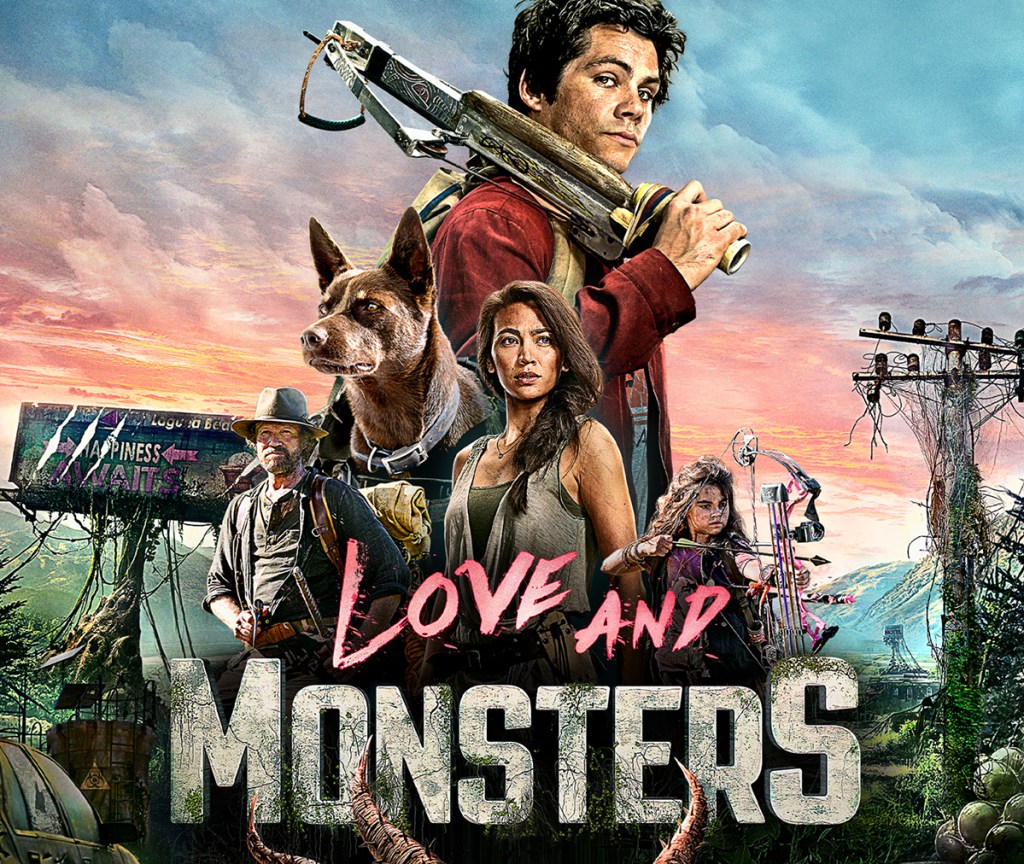


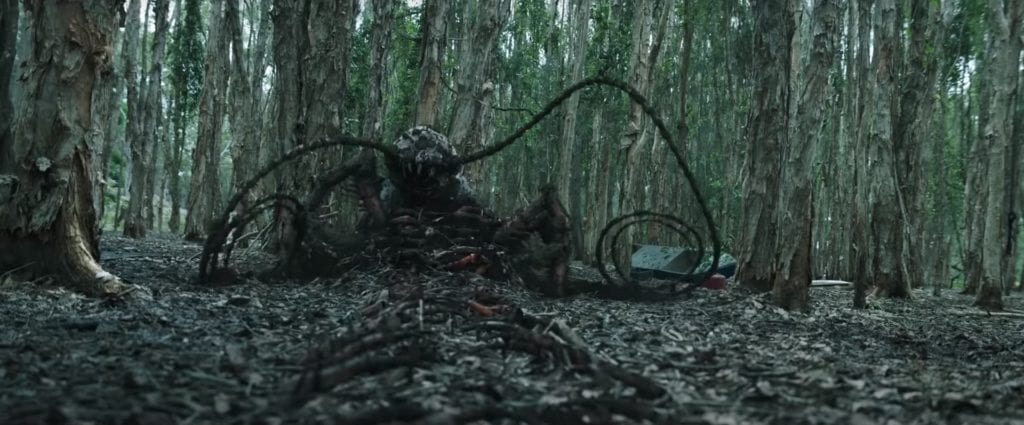

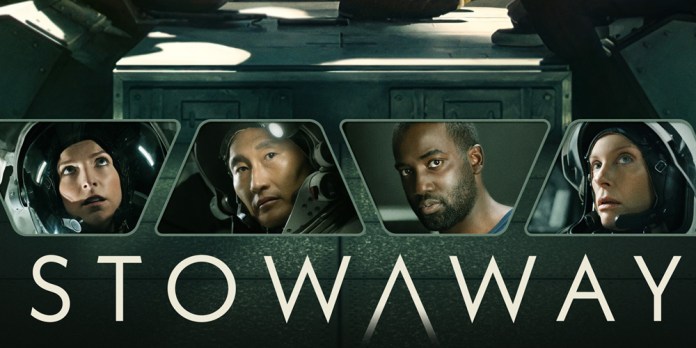

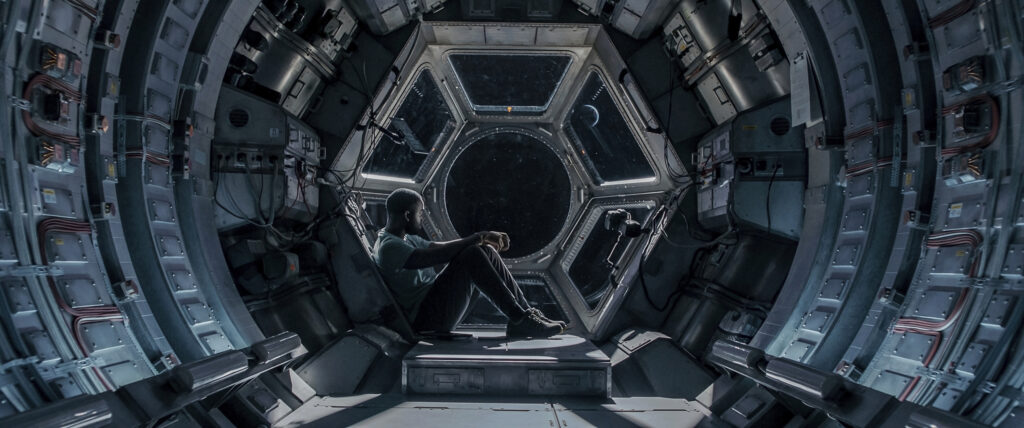


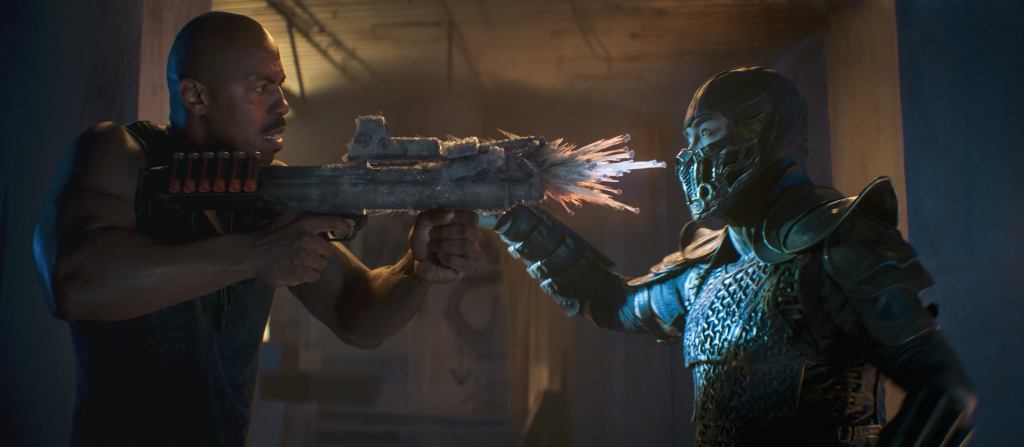


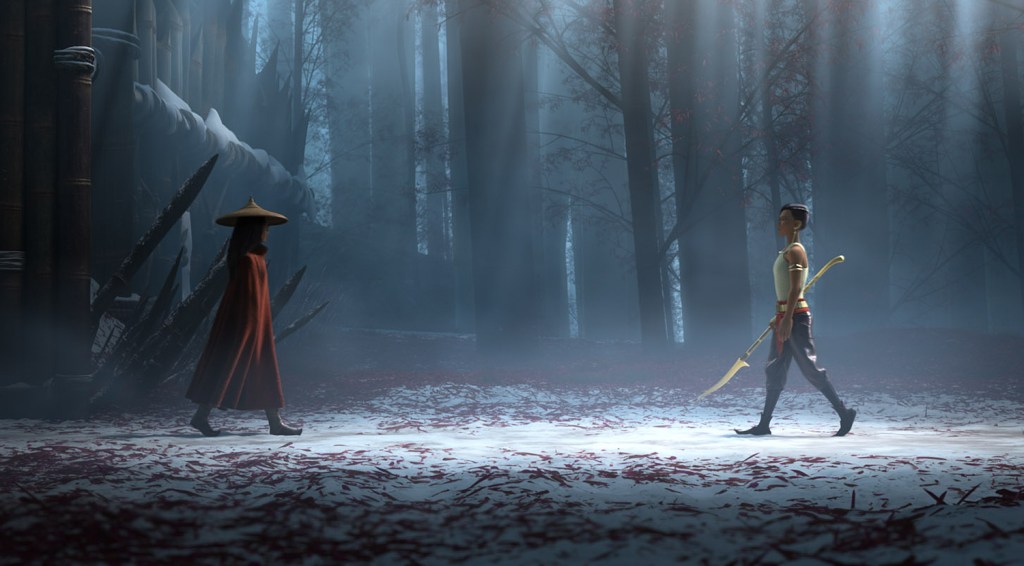
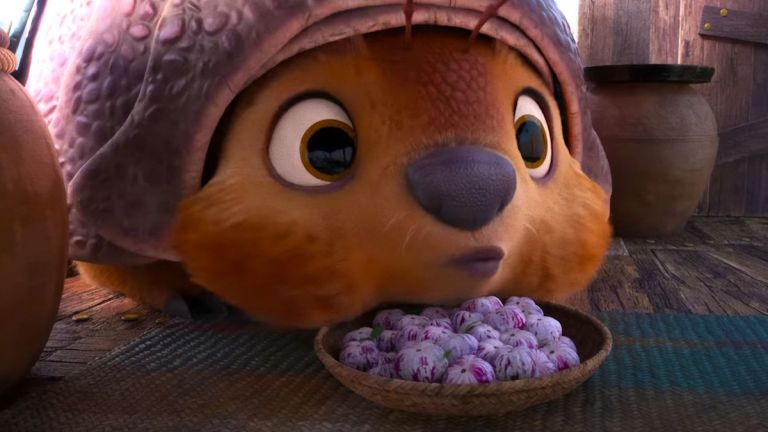


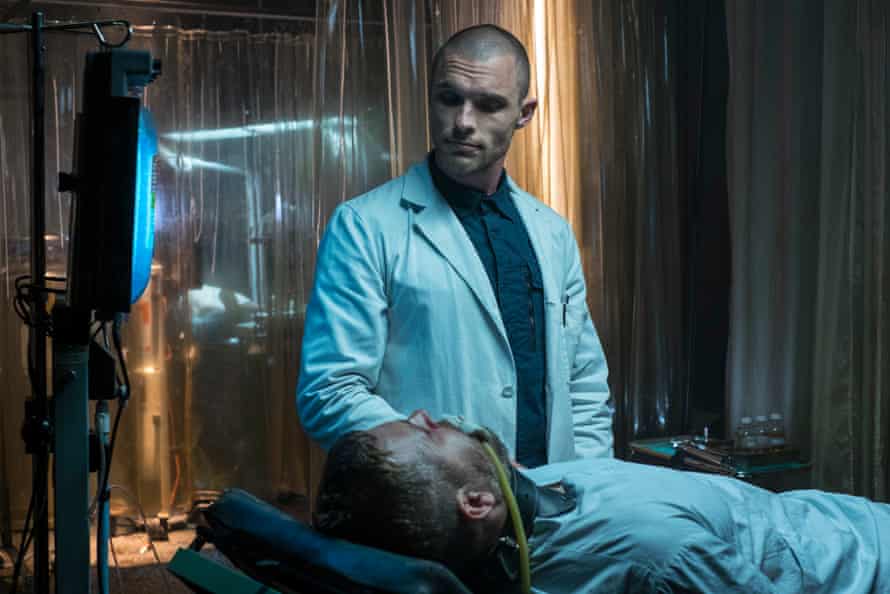
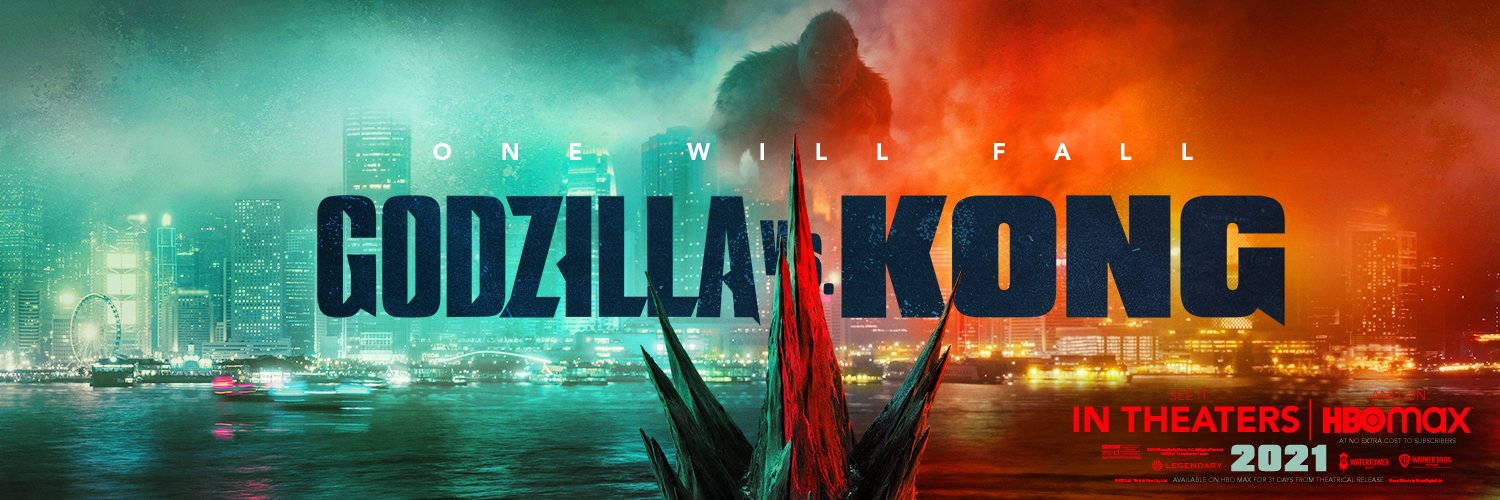

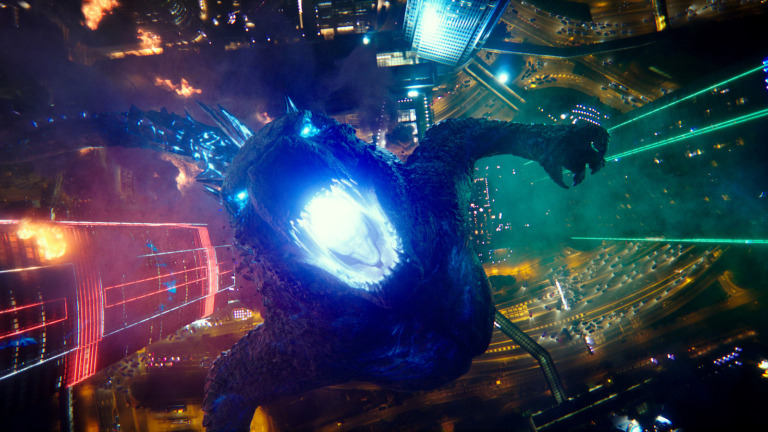




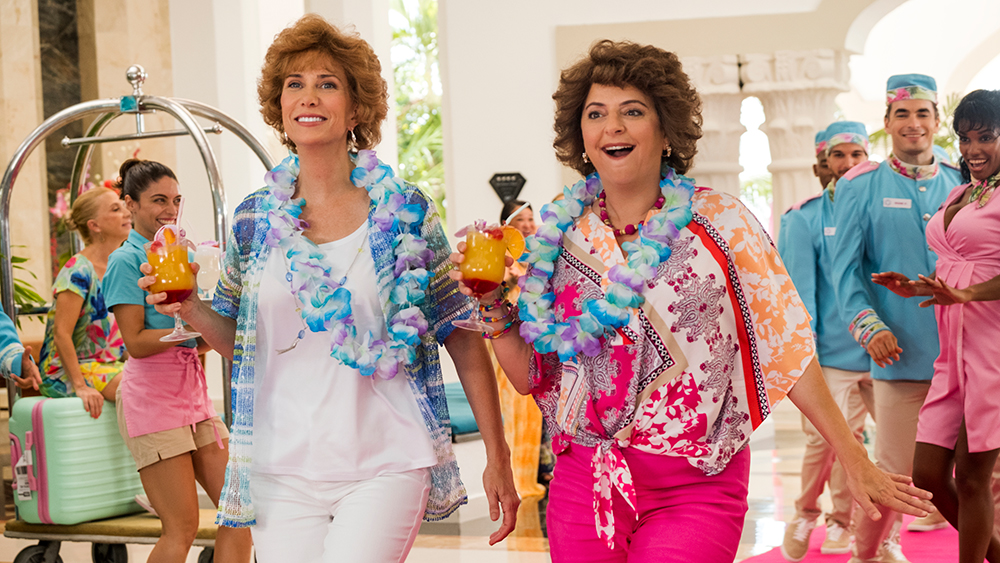

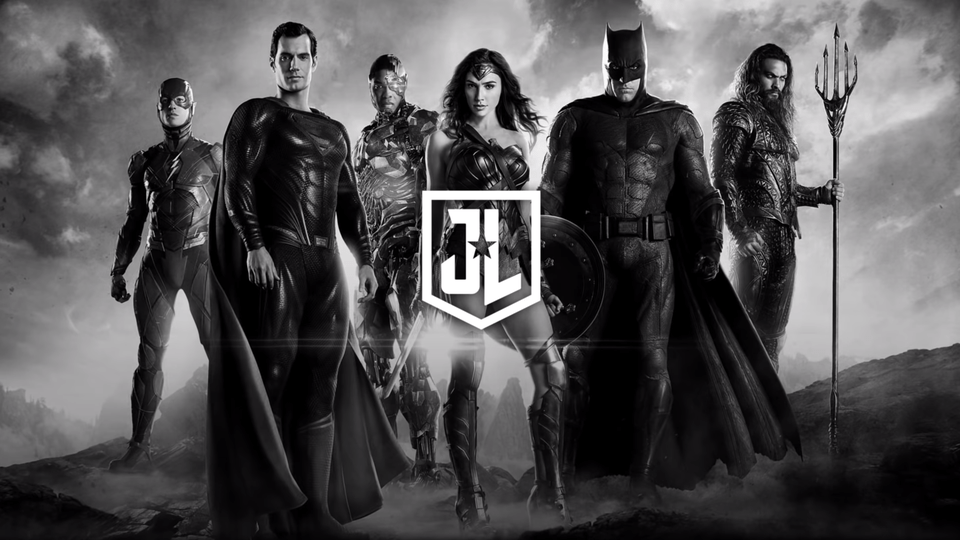

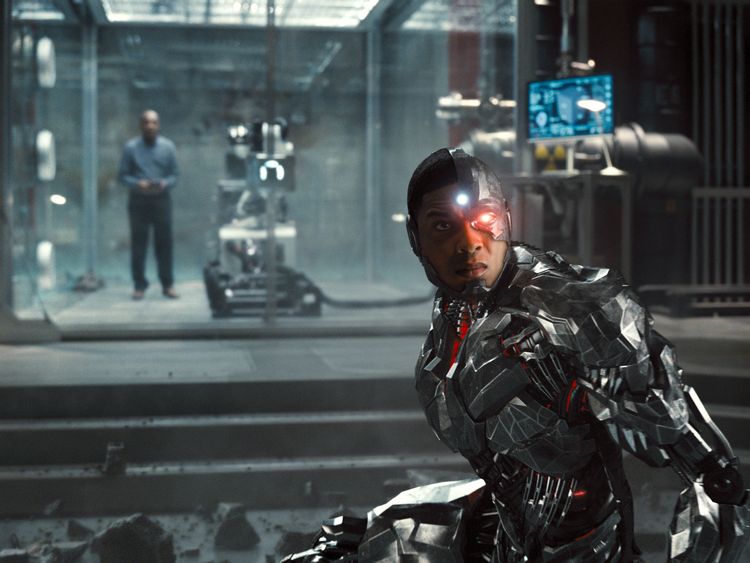
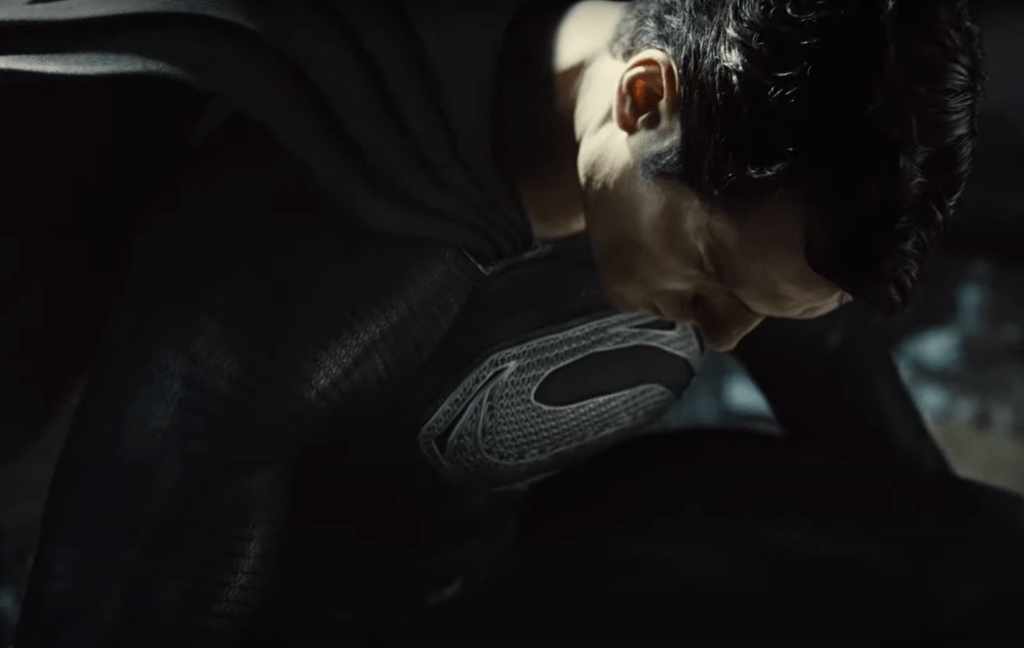
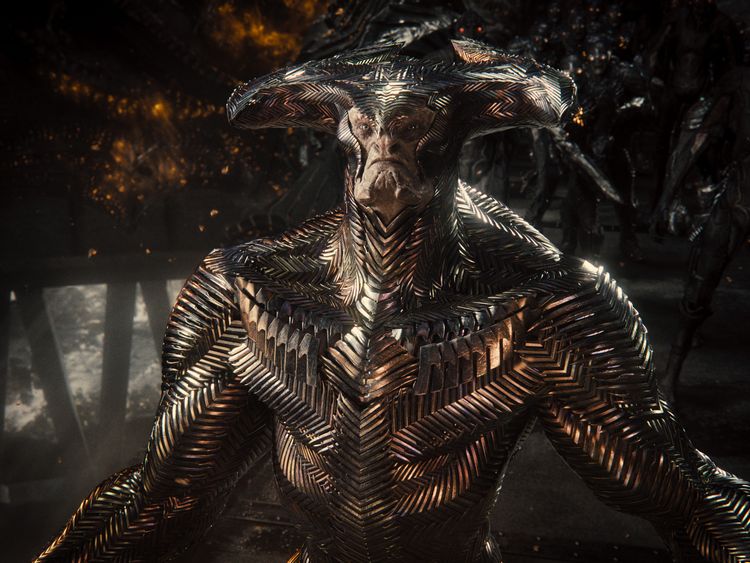


 Dave Writes Reviews